
Keep critical maintenance parts available when equipment goes down.
Onsite parts issuing for mining-adjacent maintenance teams at remote, high-uptime sites.
Complements existing ERP systems like SAP.
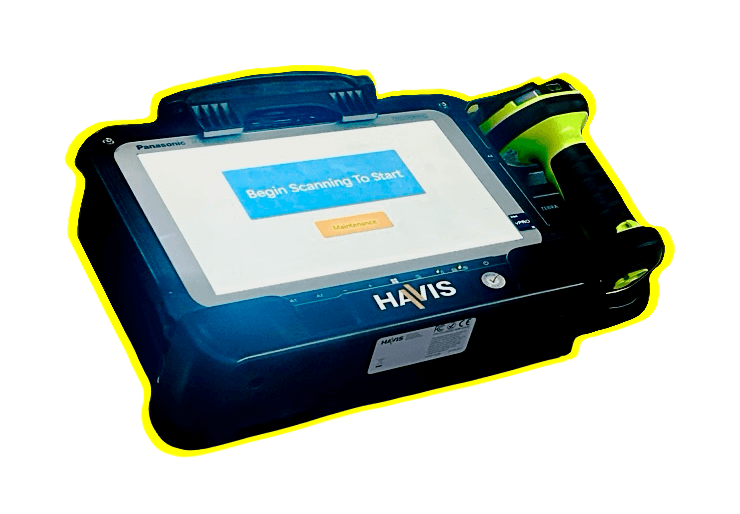

Proven onsite in remote maintenance workshops, with multiple terminals used daily to manage critical consumables.
Not an ERP replacement.
LYIT captures what actually leaves the shelf at the point of use and complements existing systems like SAP with reliable, real-world data.
The reality of parts management at remote maintenance sites
- Stock says it’s there. The shelf says it isn’t.
- Breakdowns wait while parts are searched for or flown in.
- Emergency orders blow out freight costs and schedules.
- Stores rely on one person’s knowledge or a whiteboard.
- Crews lose trust in the system and work around it.


Built from real maintenance experience
LYIT was developed by someone who has spent over 20 years working in field maintenance and workshop environments, dealing firsthand with the impact of missing parts, unreliable stock records and systems that don’t work where the job actually happens.
Instead of trying to redesign how sites operate, LYIT was built to fit into existing workflows and capture what really happens at the shelf, in environments where uptime matters and work doesn’t stop for paperwork.
Built for real maintenance environments
Designed to work where maintenance actually happens, not just where systems look good on paper.
-
Continues tracking parts even with intermittent or no connectivity
-
No complex IT setup or ongoing administration required
-
Operates alongside existing ERP and procurement systems
-
Suitable for workshops, store rooms, and remote parts storage
How LYIT works onsite

1. Terminals sit where parts are issued
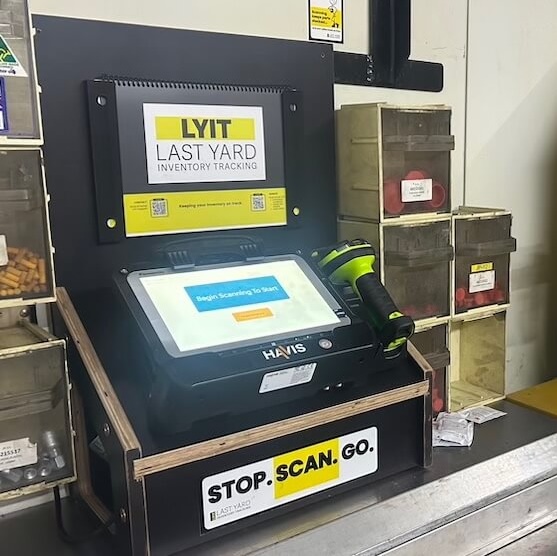
LYIT terminals are placed in workshops, store rooms and remote parts areas where parts are actually taken from the shelf.

2. Parts are scanned at the shelf
Parts are scanned out as they leave the shelf, capturing real-world usage without paperwork or double-handling.

3. Low stock is flagged before it causes delays
Daily low-stock alerts highlight issues early so parts can be reordered before shortages impact work.
Simple, site-based pricing
LYIT is priced per onsite terminal and includes the hardware, software and ongoing support.
⚫️ From $1,925 per terminal per month.
Most sites deploy between 2 and 10 terminals depending on layout and usage.
One hour of unplanned downtime typically costs more than a month of LYIT.
Discounts apply for multi-terminal sites.
See LYIT in Action
In under 90 seconds, see how LYIT is used onsite to issue parts, track real-world usage, and flag low stock before it causes delays.
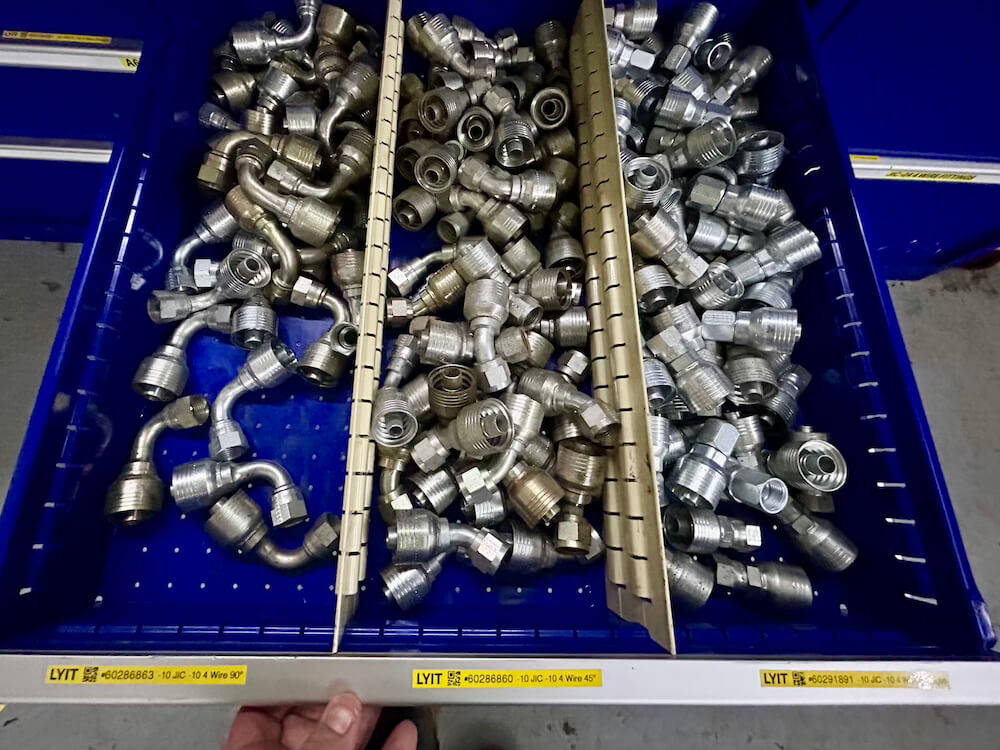

Stop chasing parts…
Is LYIT right for your site?
A short call to talk through your site, current parts setup and whether LYIT makes sense.